


Developing the Big Sister programme with Women in Sport

The Question
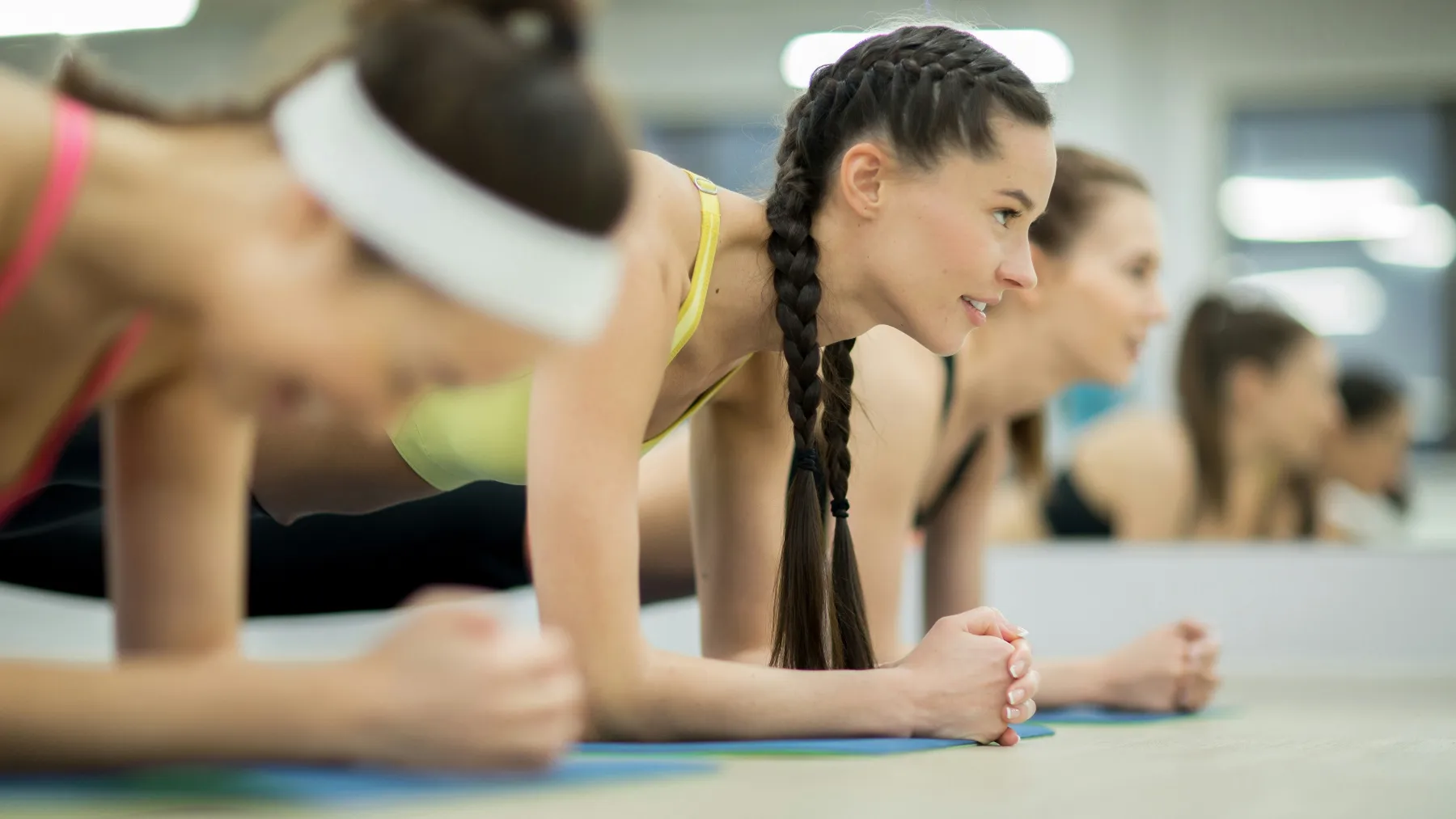
Women in Sport’s Big Sister initiative was designed to support teenage girls in finding enjoyment in sport, exercise and physical activity during puberty. Before launch, they needed to build on current knowledge and deep dive into the lives of girls, specifically those from low socio-economic backgrounds with low engagement in sport/activity, to understand the challenges and barriers they face.
The key question: what are the needs and challenges faced by girls from low-income/underserved backgrounds who are disengaged in sport and physical activity, and how can Women in Sport’s ‘Big Sister’ programme help to encourage their participation?
The Approach
A multistage approach including
- literature review
- digital forum
- ethnographic immersion days
- co-creation and brand testing workshops
- stakeholder interviews
to ensure we a) built on current knowledge, b) gained rich insight into the lives of girls, their needs and challenges, and c) the Big Sister programme was developed for girls and with girls.
Each stage was complete with an interim report overlayed with behavioural change mapping for concise, easy to digest insights. Case studies were also developed to further bring the research to life.
The Impact
The Big Sister programme was developed with behavioural change theory and real, ethnographic insight into girls’ lives, thoughts and feelings to ensure the greatest impact possible. By uncovering the challenges faced by girls and their mindsets about sport and exercise, we provided actionable insights which helped the client see sport through the eyes of teenage girls.
In doing so, The Big Sister project encouraged more than 3,000 teenage girls to get active by offering free gym memberships as well as tailored workout sessions and advice, resulting in 55,000 visits to leisure centres. It helped girls increase their enjoyment in sport, and their confidence to try new things, with 63% of girls being more confident to try new things.
Explore similarCase Studies
Explore similar
Case Studies


We are Child, Youth and Family Research Experts who are passionate about making a difference. Created in 2005, we are a highly experienced team with a combined knowledge of social, psychological and commercial worlds.
We provide inclusive qualitative and quantitative research approaches.
-
Wakefield and London