


Sector Challenges: Unlocking the Barriers to Sport Participation

In this article
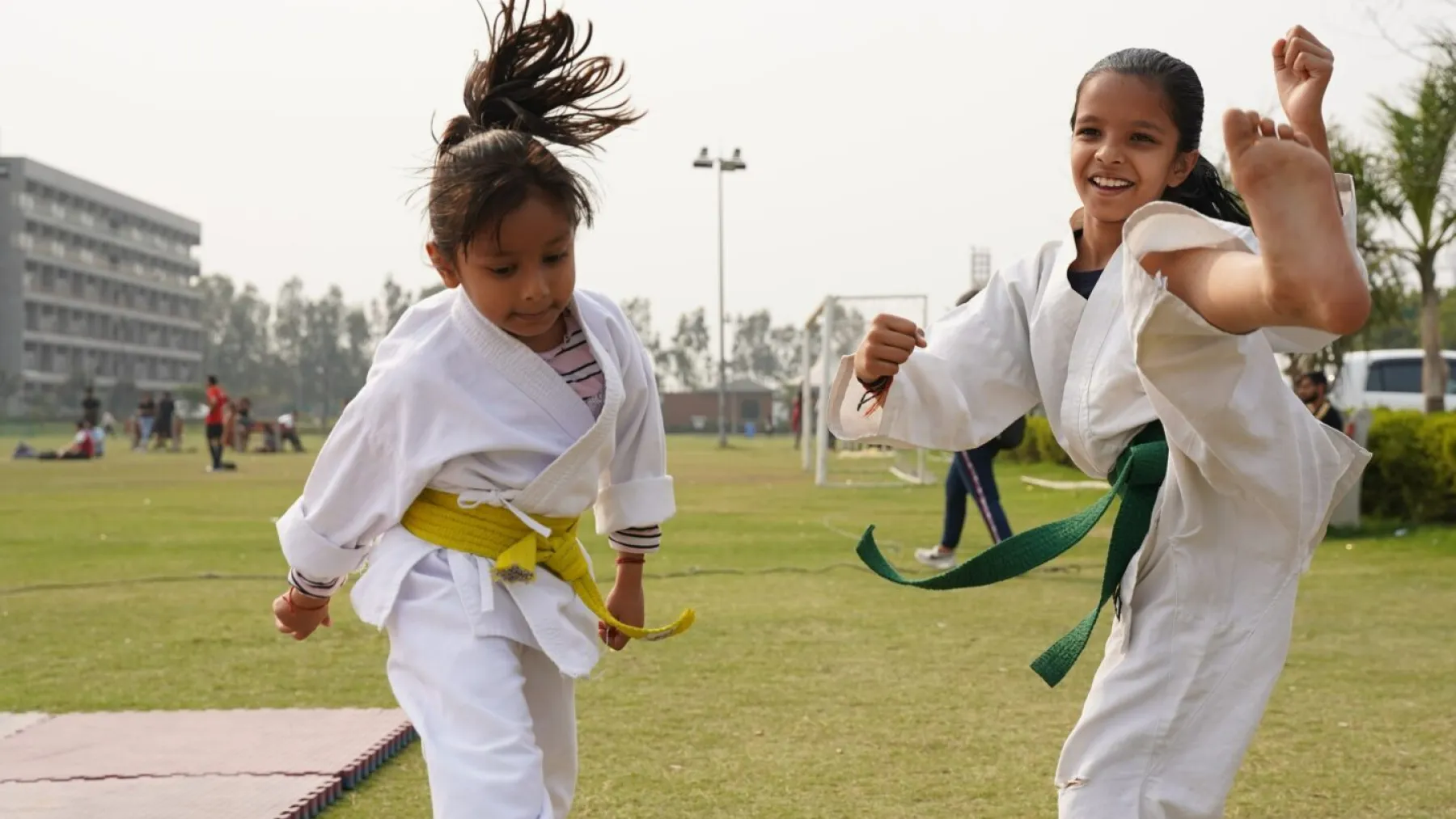
For young people in particular, participation in sport and physical activity can have a huge positive impact on their lives.
So ultimately, organisations need to solve the key questions: how do we increase engagement and how do we maintain engagement?
As part of our first Sector Challenge series, read how StreetGames in partnership with Platypus set out to gain answers from young people themselves...

Cost and a lack of facilities are major challenges for young people in low-income households to take part in sport, but before increasing investment we need to know what really lies beneath young people’s relationships with physical activity.
The key to understanding why some young people struggle to keep active is to look beyond sport to the young people themselves.
From years of conducting research with young people, we have identified four main ‘success’ factors in increasing their engagement in sport and physical activity (p.a.):
- Have they found an activity or sport they enjoy?
- Have they had the right encouragement?
- Have they had the opportunity to be active (are money, accessibility, availability barriers)?
- Do they feel confident, comfortable and capable?
The chance of passing each of these success factors is determined by a series of interrelated variables;
- Their home and school environment
- Their role models
- Their own personality, neurodiversity and disabilities
Young people from lower-income households have far less chance of passing these factors because of financial and environmental barriers. However, the story of engagement is rarely just about cost.
Young people, whatever their backgrounds, have different experiences and different motivators.
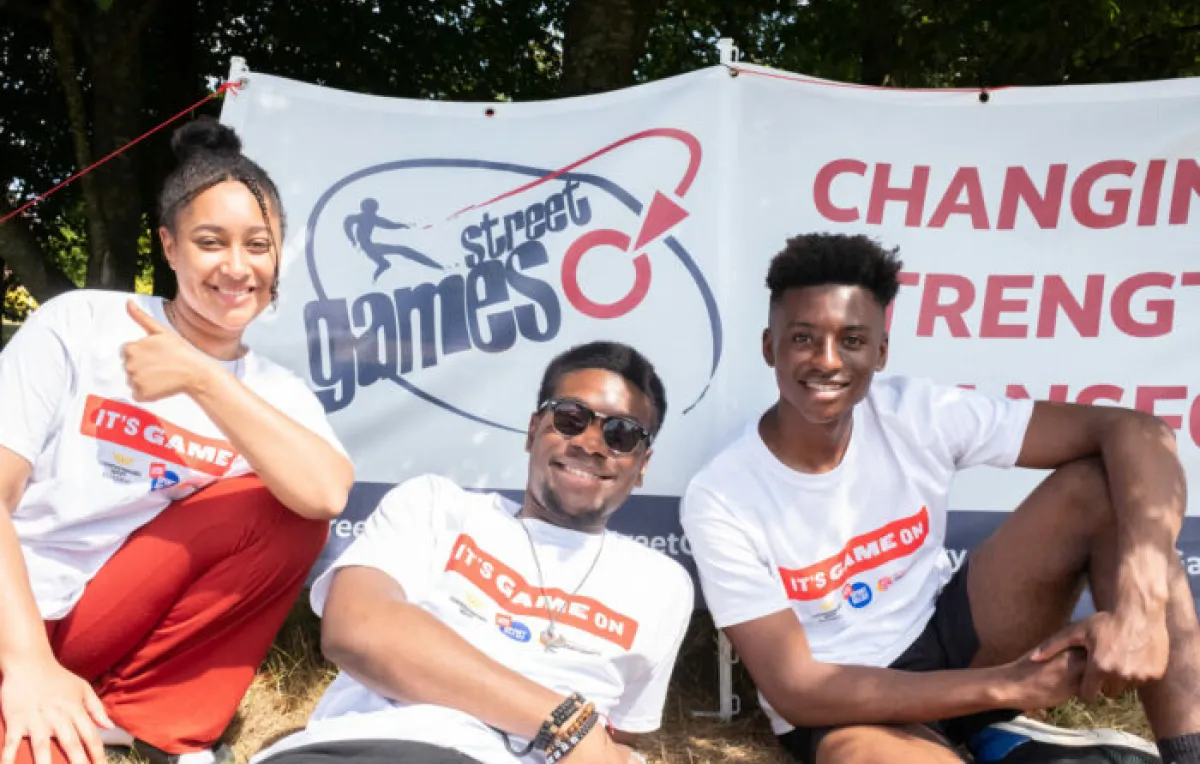
StreetGames in partnership with Platypus set out to amplify the voices of young people from lower-income households via a major research study.
As a charity, StreetGames believes that access to sport and its benefits are a right and not a privilege, but currently access to sport and p.a. opportunities are not. In the research, 1000 young people shared their experiences and challenges of enjoyment, encouragement, accessibility and confidence in sport to help to uncover what changes are needed to support them in being active.
This study covered far more than their feelings about sport. To really understand how to gain success at each of the five factors, we needed to understand what drives their enjoyment, what challenges confidence, what is a barrier to accessibility, and where and where encouragement is needed. This meant analysing personality types, gender, neuro and physical diversity, fears, family and school experiences.
We created 7 distinct groups of young people based on their shared attitudes and behaviours to sport and physical activity, categorised by:
- How much they loved or hated sport/p.a.
- How confident they felt taking part in sport/p.a.
- What they enjoyed or disliked
- How often they took part in sport/p.a.
It was important that these groups were based on attitude and behaviour so that we could create groups of young people who had similar motivators, barriers and behaviours and overlay their backgrounds, personalities, interests and needs to bring a clear picture.
We were able to plot the groups against level of enjoyment (high to low), level of confidence (high to low) and frequency of activity (high to low).
Confidence and enjoyment play a bit part in the story of why young people don’t take part in physical activity, and these aspects of the story were borne out differently by our seven different characters.
For example, two groups were low on the enjoyment spectrum. By looking at the personalities and attitudes of these groups we could see they had very different reasons for not enjoying sport. One group’s enjoyment was based on their confidence levels and having had previous bad experiences. Whereas the other group had not found the joy, there was an identity mis-match and sport felt like it was not for them.
Street Games and the organisations they work with could see that a very different approach is needed to engage these different groups.

What part does demographics play?
Rather than viewing young people as one group, we can now look at them as seven different typologies who share the same attitudes and behaviours related to the five success factors of engagement in sport. This is more powerful than grouping young people by demographics such as gender because demographics don’t take into account what actually drives engagement. It is also dangerous to group young people by their demographic background as this brings a stereotyped image that all young people of a particular gender act in the same way.
We found that although there were some slight gender skews in the groupings, there were both males and females in all of the groupings which helps to break down the stereotypes that exist about girls and boys in sport. There were plenty of girls who had a love of sport in the same way there were plenty of boys who were very anxious about taking part. It is important to say that we need to look at the gendered experience of each member of the groups to really understand the different perspectives.

Jo set up Platypus with the mission of changing the way we research to understand the real and varied picture of kids, youth, and family lives.
As a result, Jo has spent the last 11 years working with large and small companies from the public and commercial sectors to support them through bespoke projects and sharing her knowledge to help them succeed in the kids and family market.
Explore similararticles
Explore similar
articles


We are Child, Youth and Family Research Experts who are passionate about making a difference. Created in 2005, we are a highly experienced team with a combined knowledge of social, psychological and commercial worlds.
We provide inclusive qualitative and quantitative research approaches.
-
Wakefield and London