


Rethinking poverty and engaging with real families by Karen Chaudhari


In this article
- Introduction
- The poverty is a broad umbrella term
- The wider impact of child poverty…
- For children the implications go way beyond hunger.
- How research can make a difference
- Research that gives a representative voice to ALL members of society
- A couple of recent examples that we’ve been lucky enough to work on:
- Ensuring established networks
Introduction
Whether it’s ‘Veganuary’, ‘Dry January’ or smaller changes that we decide to make in our day-to-day lives, many of us are lucky enough to have an element of control over what we’d like to change or indeed can change, for both ourselves and our family.However, along with the statistics about how many of us are going Vegan for the month there are more worrying trends being reported, linked to the growing number of families living in poverty. These families have limited control over their basic day-to-day life choices because of the crippling financial circumstances they face every single day.
Granted, ‘poverty’ is a broad umbrella term that obviously encompasses many complex facets, but it is perhaps the lack of a basic human needs such as shelter & food, that is the most unsettling.
More than one in five of our U.K. population (22%) are in poverty*
This means there are 14.3 million people whose options are restricted by their circumstances. (*SOURCE: UK Poverty 2018 - Joseph Rowntree Foundation)
- 2 million are working-age adults
- 1 million are children
- 9 million are pensioners.
It is important that we question and challenge the stereotypes, as poverty can affect anybody, i.e. 8 million people are living in poverty in families where at least one person is in work.
So just where is our society going wrong? How can a modern, developed country such as ours be so badly letting down those who need help the most?
Having a job and being employed is no longer a guarantee to living ‘comfortably’ and a route out of poverty. The number of working families in poverty is growing more rapidly than any time in the past 20 years*. Wages aren’t keeping up with the rising cost of living, benefits are being cut and the well-documented issues with Universal
(*SOURCE: UK Poverty 2018 - Joseph Rowntree Foundation)




The wider impact of child poverty…
Whilst these figures are increasingly shocking, it is the individual accounts of ‘personal’ challenges that makes these problems even more hard-hitting. Recently a Headteacher from a primary school in Lancashire was on TV sharing insight into the scale of the problem at her school:
- Malnourished children arriving at school and taking food from bins
- 1/10 children from families who regularly use foodbanks (this is the ‘known’ figure…could actually be higher)
(SOURCE: BBC Breakfast – 12/1/19)
For children the implications go way beyond hunger.
Without these ‘base level’ requirements being met children are struggling to learn & concentrate in the school environment and the long-term impact on both their physical and mental well-being is apparent to many in the education sector.
A recent study by the National Education Union found:
- 46% of teachers confirm that holiday hunger has got worse compared to three years ago.
- 63% of respondents say that more families are unable to afford adequate winter clothes or shoes compared to three years ago.
- 46% of teachers believe that there are more housing issues (poor quality, insecure, overcrowded or temporary accommodation) compared to three years ago.
- 40% of respondents say schools are having to provide extra items for children and young people and their families because of increased poverty.
(SOURCE: NEU Survey with 1,026 teachers – Dec 2018)
It is essential that we don’t just discount our changing society as sadly endemic of the U.K. at the moment, we need to think of it as the crisis, that it truly is.
How research can make a difference…
Historically, many brands and service providers have been guilty of only targeting those with money to spend, but with greater numbers than ever before living in poverty and with this set to continue, this diverse multi-faceted group of society must be better understood. Whilst their purchasing often reflects that of many others in the U.K., their decision making and choices will be influenced by different core motivations.
Many are already working hard to make a difference in their local communities:
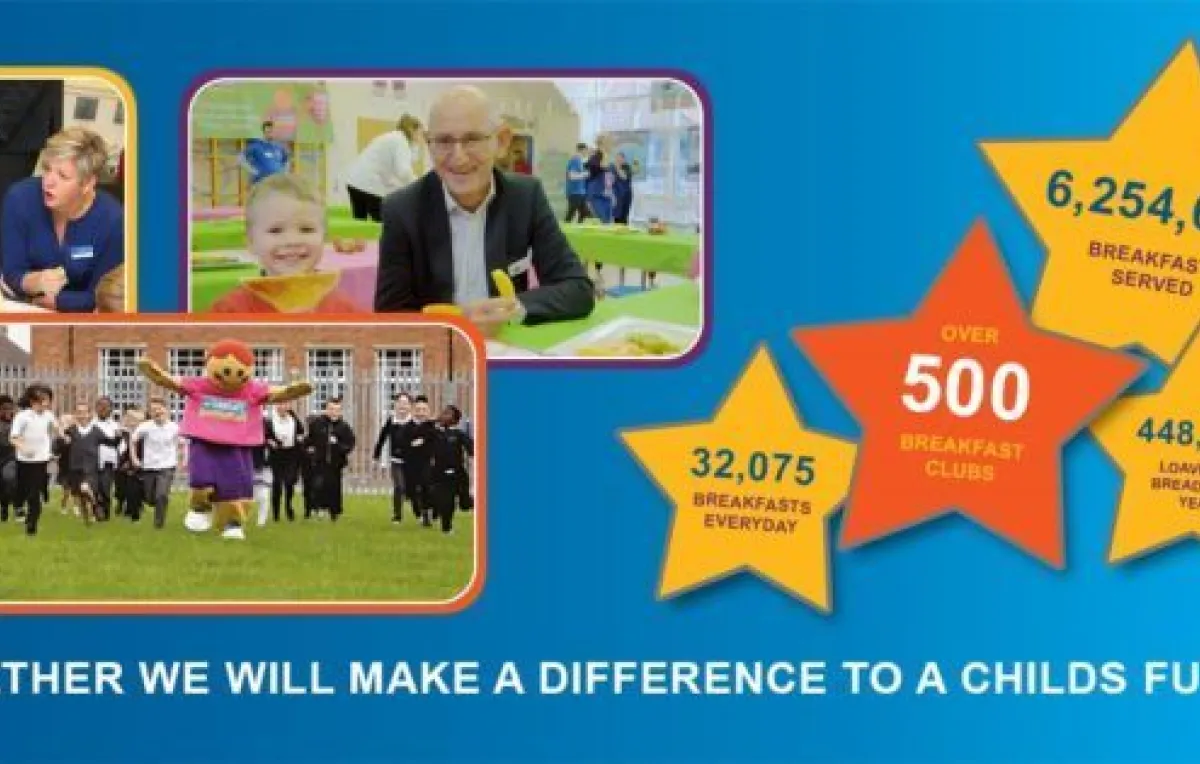
i.e. The Greggs Foundation – Now support over 500 breakfast clubs to help ensure children are getting some breakfast before attending school
(Source: https://www.greggsfoundation.org.uk)
At Platypus we pride ourselves on ensuring our research gives a representative voice to ALL members of society and crucially helps brands & services to better understand their decisions.
How we recruit, and the research approaches we use are central to ensuring successful feedback and crucially making respondents feel at ease throughout the research project.
By taking the research ‘to respondents’ we are immediately being part of their world and breaking down barriers to gain honest, real life responses. Whether that be through face-to-face or digital ethnography or running research sessions in ‘known’ and ‘safe’ environments, we ensure the tone of voice and language we use reflects who we are researching.
Our expertise covers many sectors: Third Sector / Healthcare / Education / Sports & Leisure / Media & Publishing / Consumer Goods.
A couple of recent examples that we’ve been lucky enough to work on:
Hackney Play Association
We worked with this great organisation to explore perceptions of, barriers and motivators to participation in its ‘Street Play’ scheme (amongst parents and children), whereby residents close local streets to traffic to allow children to play more freely. By working closely with residents living in this area we were
able to build a picture of them and their environment and hear first-hand how their ‘home’ space impacts their physical and mental well-being (positively and negatively). Using creative workshops, we were able to work in partnership with local residents and provide recommendations on how to improve participation in the scheme.
Orbit
As part of Orbit’s ‘Happy & Healthy Starts’ campaign to tackle child poverty, we conducted research with a cross section of young people (and their parents) to better understand the issues faced growing up in low-income household.
The findings of these research sessions have helped Orbit to develop initiatives that are making a real difference to families living in poverty.
Historically, many brands and service providers have been guilty of only targeting those with money to spend, but with greater numbers than ever before living in p
For both projects we used established networks to ensure we were speaking with the right people, whose viewpoints needed to be included.
The research sessions were quite ‘organic’ and free-flowing rather than the traditional, more ‘structured’ format. Ultimately, this ensured we built rapport and trust with respondents and got the best out of all of those involved in the research.
To hear more, Jo Cliff our MD will be presenting a joint paper with Orbit on ‘Researching hard to reach families’ at the MRS Kids & Youth Conference – 24th January
https://www.mrs.org.uk/event/conferences/kids-and-youth-2019
Alternatively, drop me a note and we can share our knowledge and help you better understand the lives of real people in the U.K. today.
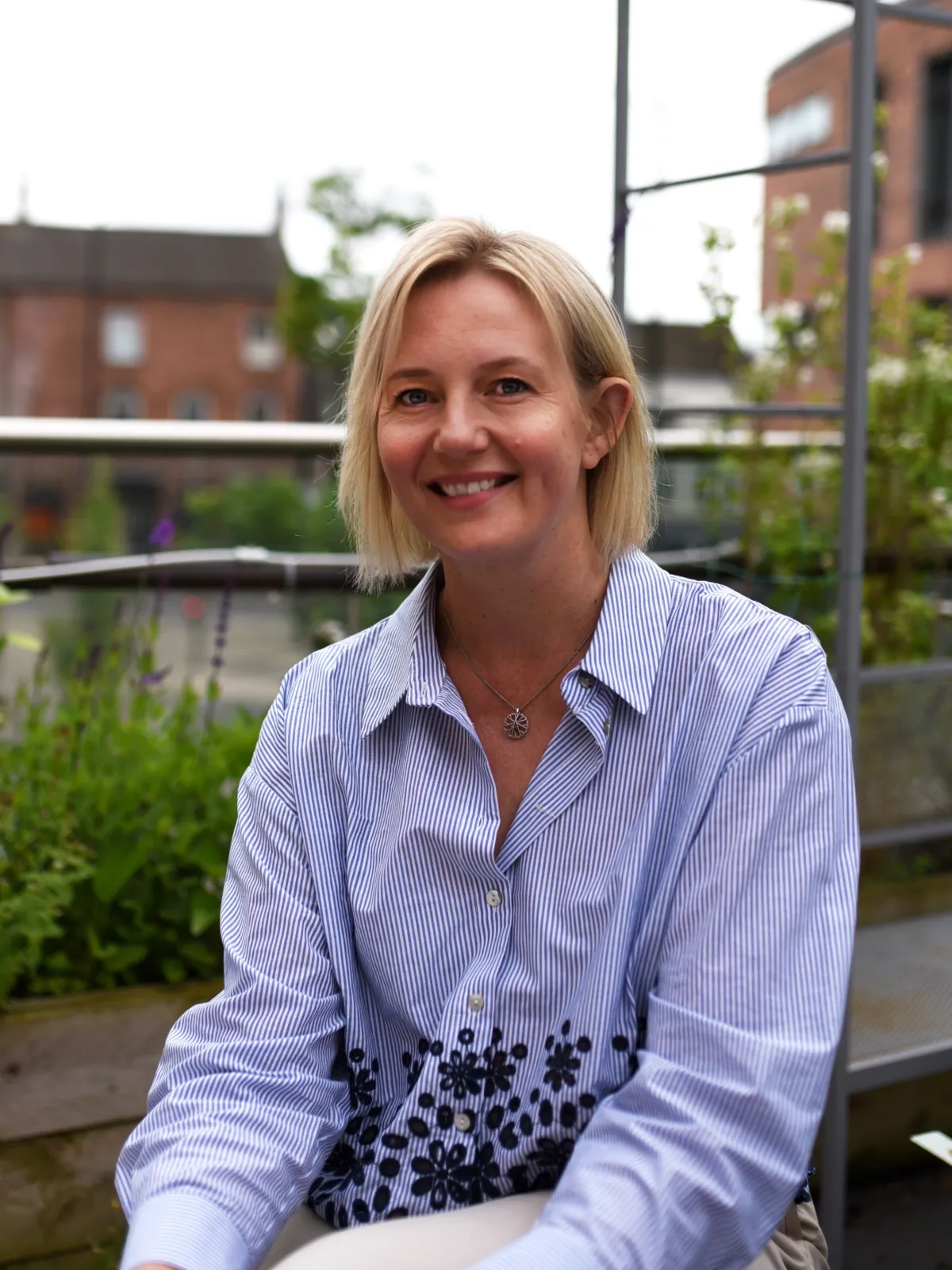
Jo set up Platypus with the mission of changing the way we research to understand the real and varied picture of kids, youth, and family lives.
As a result, Jo has spent the last 11 years working with large and small companies from the public and commercial sectors to support them through bespoke projects and sharing her knowledge to help them succeed in the kids and family market.
Explore similararticles
Explore similar
articles




We are Child, Youth and Family Research Experts who are passionate about making a difference. Created in 2005, we are a highly experienced team with a combined knowledge of social, psychological and commercial worlds.
We provide inclusive qualitative and quantitative research approaches.
-
Wakefield and London