


Changes Episode 1: The Environment and Young Heroes

Introduction
As researchers in the kids and families industry, it’s important for us to acknowledge, accept, and look for changes within and between societies and generations so we can provide accurate and relevant insights, which makes our jobs all the more interesting!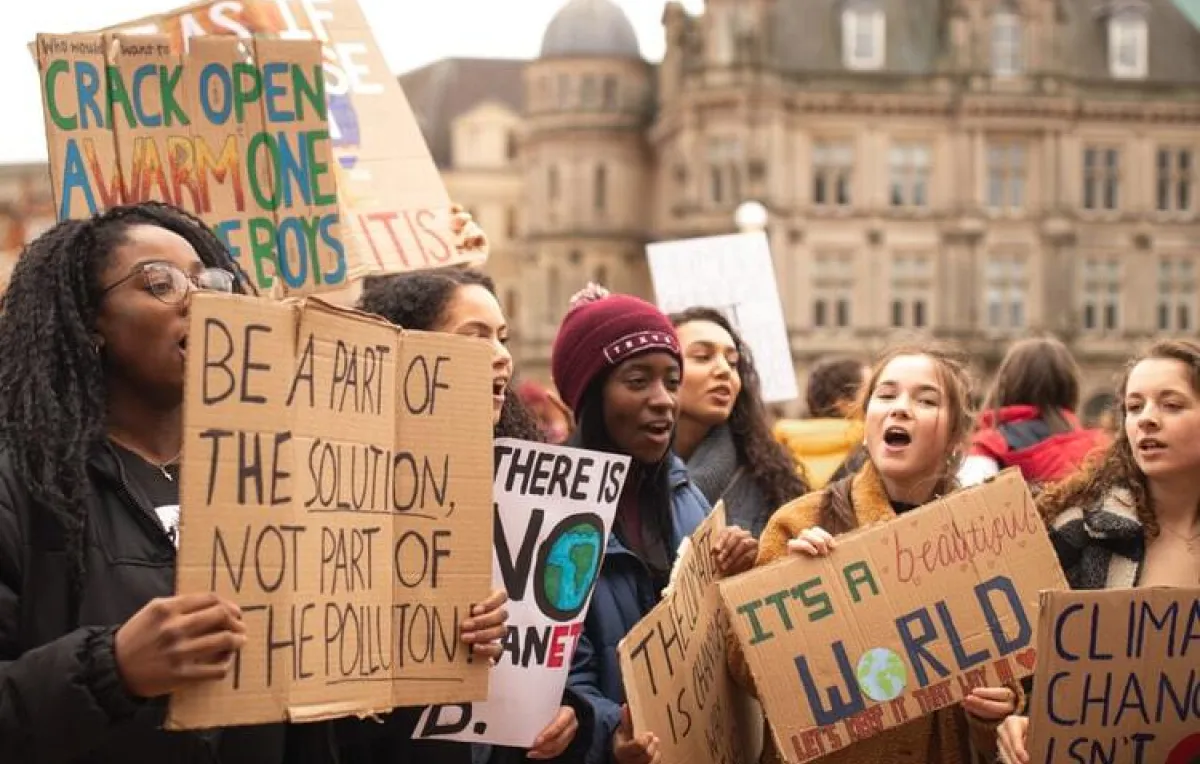
Episode 1: The Environment and Young Heroes
Being so impressionable, children embody much of what they are exposed to, whether this is from parents and guardians, peers, or the media. With the increase in awareness and coverage of environmental concerns, children are becoming more conscious of their own behaviours regarding this issue.
From McDonald’s introduction of paper straws to Innocent Smoothies ideas for how to reuse their cartons, children’s lives have no doubt been impacted by more environmentally-friendly solutions, which can in turn influence their behaviours and encourage them to think about these issues.
Young Activists- feeling responsible
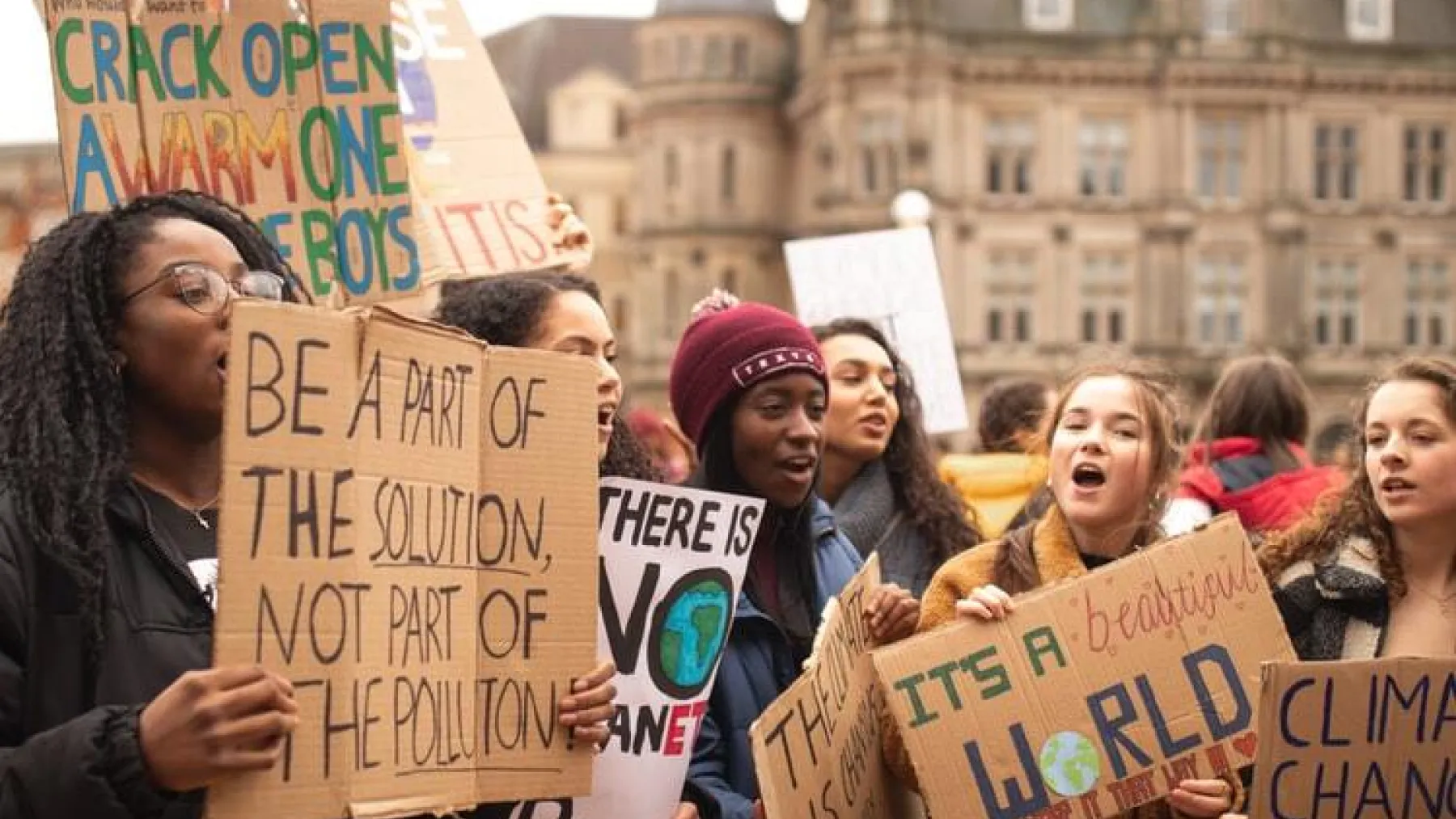
Young people feel a sense of responsibility for the future of the environment, and we can see from recent events, such as school strikes and organised protests, the impact young people can have in activism around the world. Only a few young environment heroes listed below:
• Lesein Mutunkei (Kenya) who plants a tree for every goal he scores
• Greta Thunberg (Sweden) who won Time’s Person of the Year amongst other awards for her globally influential activism
• Alexandria Villasenor (USA) who organised the Friday For Future strikes because she is too young to vote for her future
• Aditya Mukarji (India) campaigns against the use of plastic and promotes eco-friendly alternatives
• Lilly Platt (Netherlands) is a child ambassador for Plastic Pollution Coalition and the HOW Global water charity. She also has her own litter-picking campaign, Lilly’s Plastic Pick Up.
https://www.bbc.co.uk/newsround/49676291
Compassionate, Forward-Thinking, Mold-Breaking
These are just a few examples of how compassionate and forward-thinking children can be, which is something that should be encouraged and considered in branding, marketing, and comms. Brands and companies within the kids and families industry can help promote understanding and education on these issues, making them more accessible and fun to think about for young people.
Save the Turtles

Only recently did I overhear a child say 'there’s a plastic straw on a container that has turtles on it…SAVE THE TURTLES’ which says a lot about the types of things children are absorbing from the media, even if not with a full understanding of the issue…
Granted, ‘poverty’ is a broad umbrella term that obviously encompasses many complex facets, but it is perhaps the lack of a basic human needs such as shelter & food, that is the most unsettling.
More than one in five of our U.K. population (22%) are in poverty*
This means there are 14.3 million people whose options are restricted by their circumstances. (*SOURCE: UK Poverty 2018 - Joseph Rowntree Foundation)
- 2 million are working-age adults
- 1 million are children
- 9 million are pensioners
It is important that we question and challenge the stereotypes, as poverty can affect anybody, i.e. 8 million people are living in poverty in families where at least one person is in work.
Changing Behaviours- they have the desire but need to be shown the 'know-how'
This generation feels a sense of responsibility for looking after the environment. We recently conducted research on behaviour change and the environment and found that climate change and plastic pollution are ranked the two top concerns amongst young people.
However, 81% of our sample want to change their behaviours but are still unsure how to go about it. Young people have the desire to change but need help with the know-how. When given inspiration, kids grasp on to these behaviours (such as the metal straw hype), which shows that this generation want to, and can, engage with environmentally-friendly behaviours. It's important for businesses to:
- Promote understanding of issues in a fun, child-friendly way
- Give short and easy top tips for how to change behaviour
Media
The media, especially social media, has a huge impact on young people's awareness and behaviours when it comes to environmental concerns. For example:
- Circulation of videos via platforms such as Facebook and YouTube can increase concern. This can be done through shock-factor by showing consequences of behaviours, or campaigns from role models and activists.
- In 2019, the ‘Plant a Tree’ movement became a record-breaking Instagram campaign. The Canadian clothing brand TenTree generated over 15 million likes and shares in a bid to plant more trees.

Families
Parents and families are often being re-educated by their children about ways to be environmentally conscious. Brands and companies must also think about how families can get involved easily, as being environmentally-conscious can often be more expensive and mean compromising practicality and convenience.
Examples like M&S Little Garden and Lush's Reduce, Reuse, Recycle concept show brands giving additional benefits to those choosing the environmentally-friendly option.
Key Take Outs
- Children want to see actions and to break the mold when it comes to the environment
- Show young people you are compassionate about the environment and innovative when tackling issues and they will spread the word
- Communicate positive consequences on animals and nature of your sustainable actions, such as 'Save the Turtles'
- Create environmental campaigns and actions that empower young people with the knowledge of 'how' to change
- Bring the whole family into the equation
Sign up to our newsletter and follow us on LinkedIn for updates on our next episode in the Changes series!
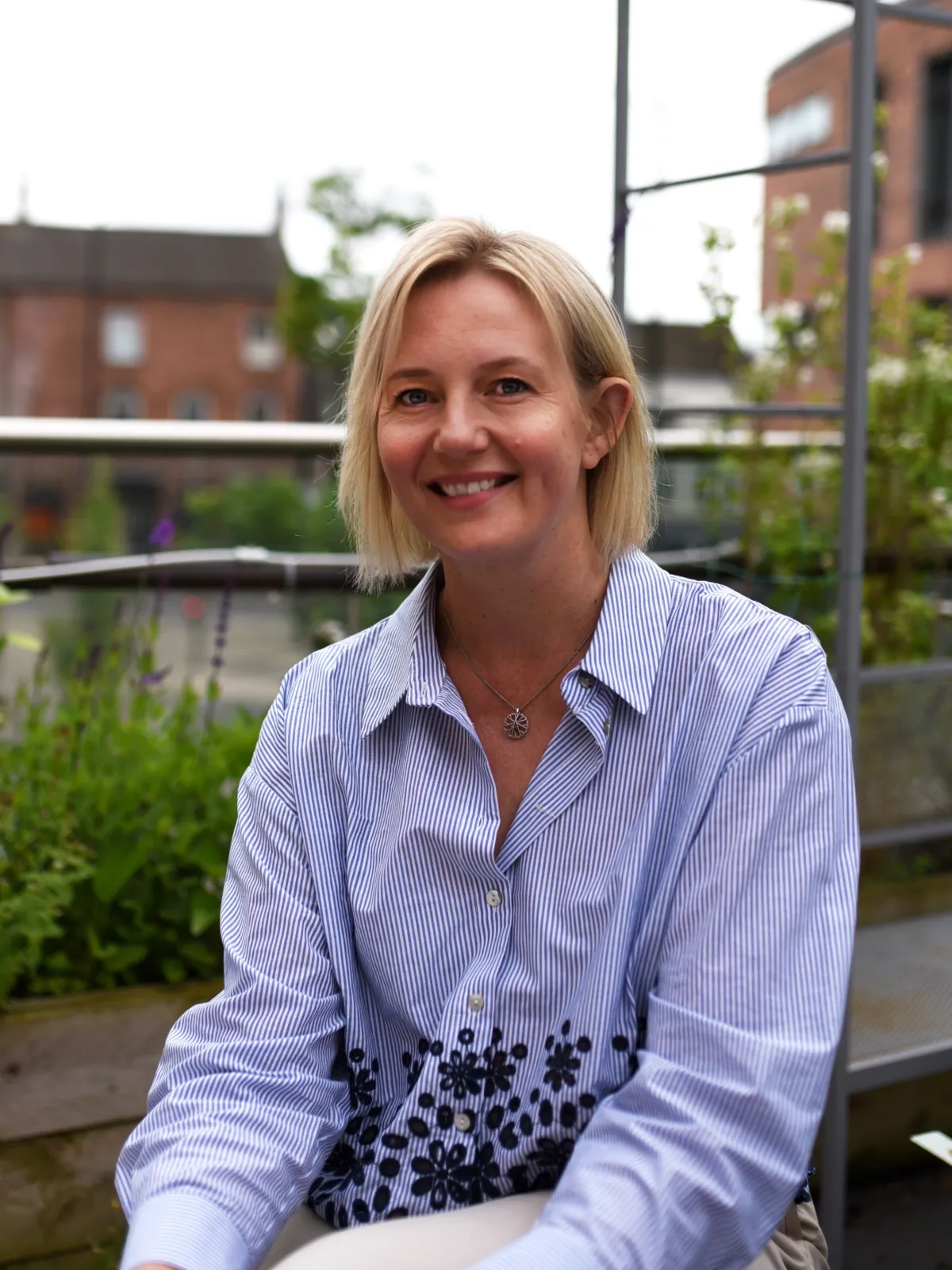
Jo set up Platypus with the mission of changing the way we research to understand the real and varied picture of kids, youth, and family lives.
As a result, Jo has spent the last 11 years working with large and small companies from the public and commercial sectors to support them through bespoke projects and sharing her knowledge to help them succeed in the kids and family market.
Explore similararticles
Explore similar
articles


We are Child, Youth and Family Research Experts who are passionate about making a difference. Created in 2005, we are a highly experienced team with a combined knowledge of social, psychological and commercial worlds.
We provide inclusive qualitative and quantitative research approaches.
-
Wakefield and London